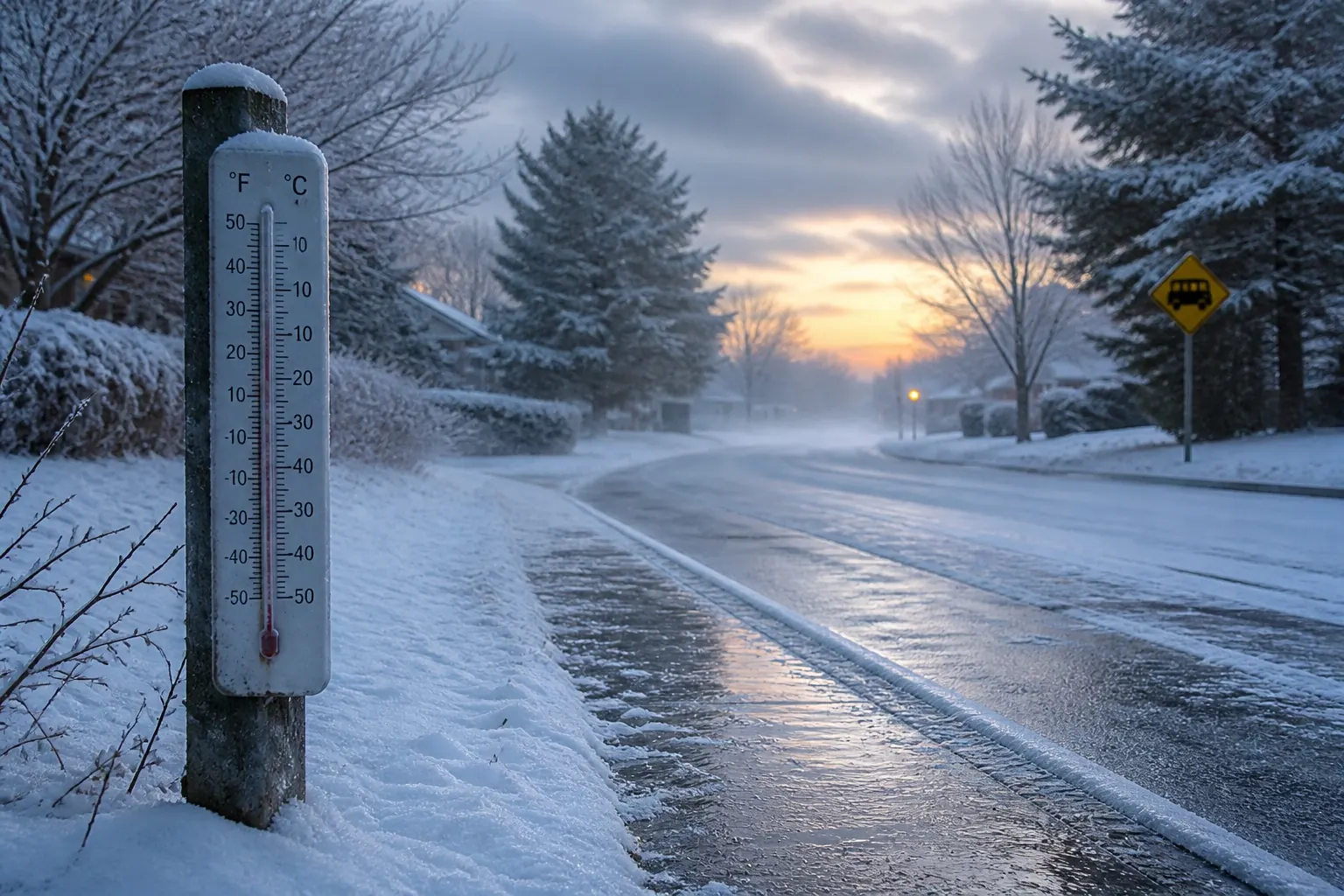
There is no universal snowfall amount that closes every school. The threshold is shaped by how often winter weather occurs, how roads are built and treated, where buses travel and what a local district considers an acceptable risk.
Snow-ready northern cities
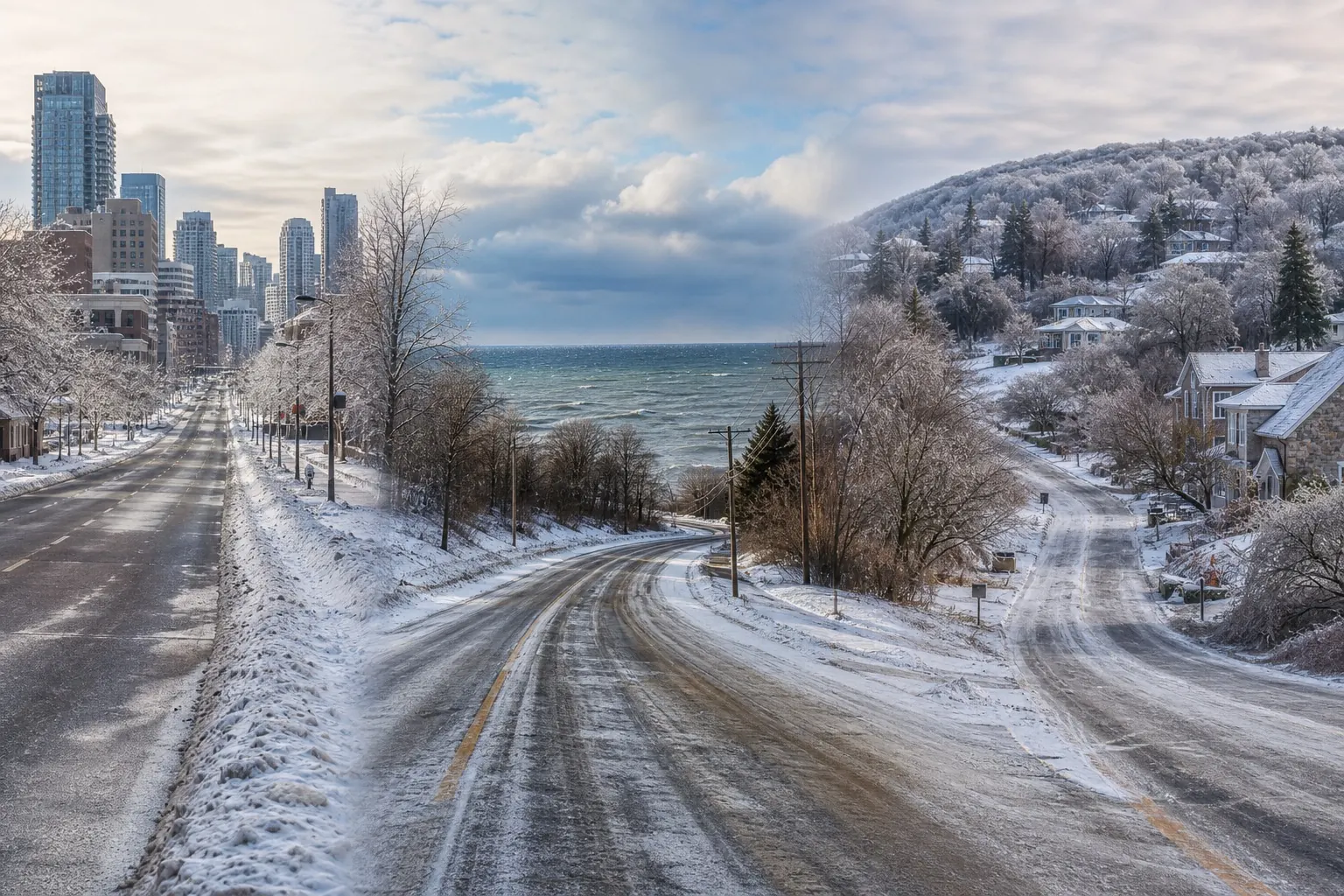
Communities around the Great Lakes and northern New England often maintain large plow fleets, salt supplies and winter-driving experience. A moderate snowfall may be routine, but lake-effect bands, extreme cold or rapidly deteriorating visibility can still disrupt school. Read the full set of weather factors before comparing only accumulation totals.
Coastal and mixed-precipitation regions
Along parts of the Northeast, a storm may change from snow to sleet, rain and back again. That mix complicates road treatment and creates refreezing concerns. Dense traffic, older street networks and staggered school schedules can add operational pressure even where snowfall equipment is available.
Hilly cities and less frequent snow
A light snow or ice event may cause greater disruption in a hilly city with limited winter equipment than in a flat, snow-ready community. Bridges and shaded slopes can remain slick. This is why the prediction-by-city page describes local context instead of publishing one universal cutoff.
Rural districts
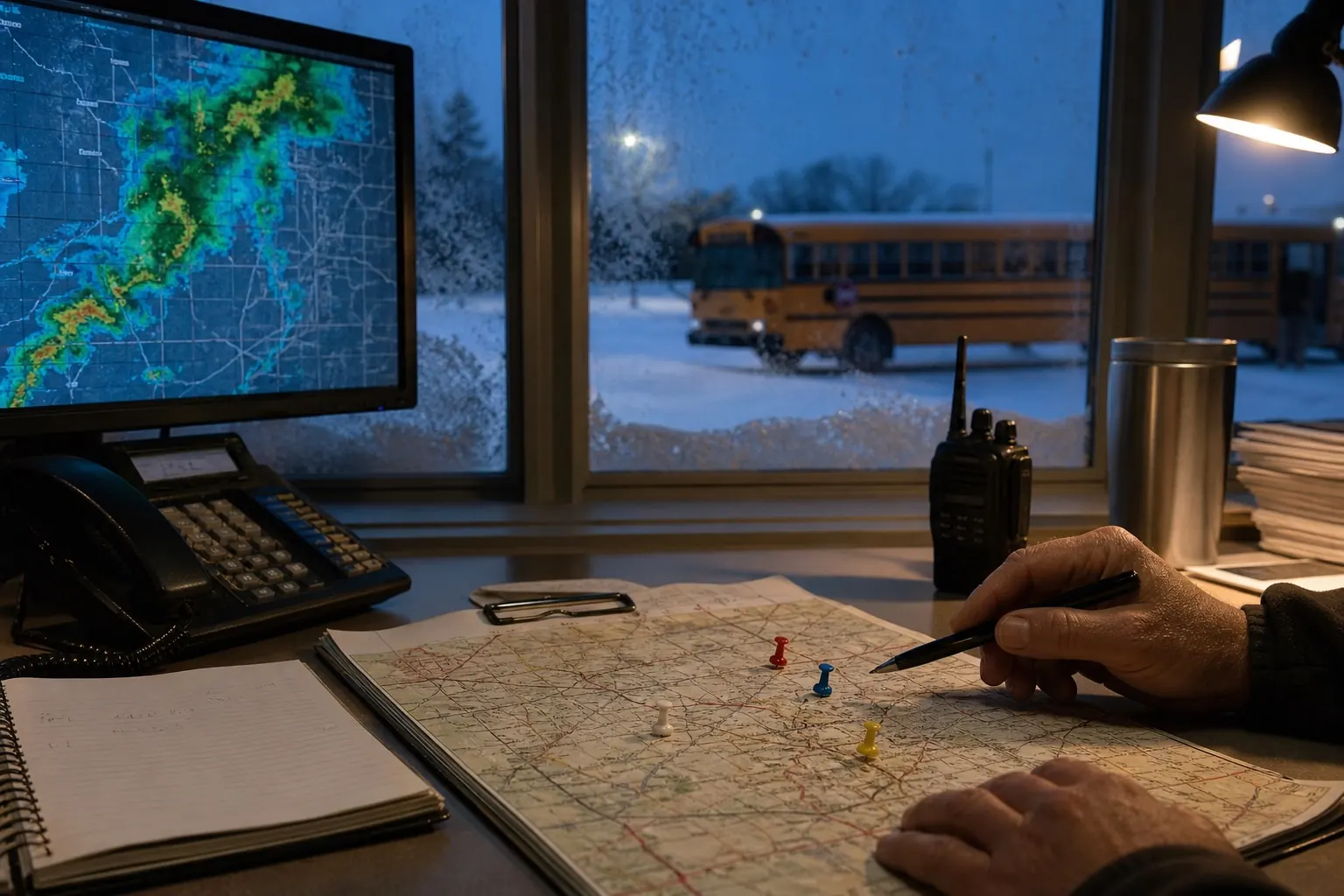
Rural buses may cover long distances on secondary roads before sunrise. Wind can refill open roads with drifting snow, and conditions may differ greatly across the attendance area. Selecting “Rural” in the calculator raises the route-sensitivity contribution only when winter hazards are present; it does not create closure probability on a clear day.
Canada and board-level decisions
In many Canadian communities, school buildings may remain open while transportation is canceled, and individual boards may publish different rules. Families should distinguish bus cancellation, delayed transportation, building closure and remote instruction. The general school decision process still applies, but the official local terminology matters.
Compare impact, not inches. Ask whether roads, buses and sidewalks can be made safe by the time students travel.
Wherever you live, use the result as an early planning cue, follow the recommended check schedule, and verify the final status on your district's own website, message system or social account.