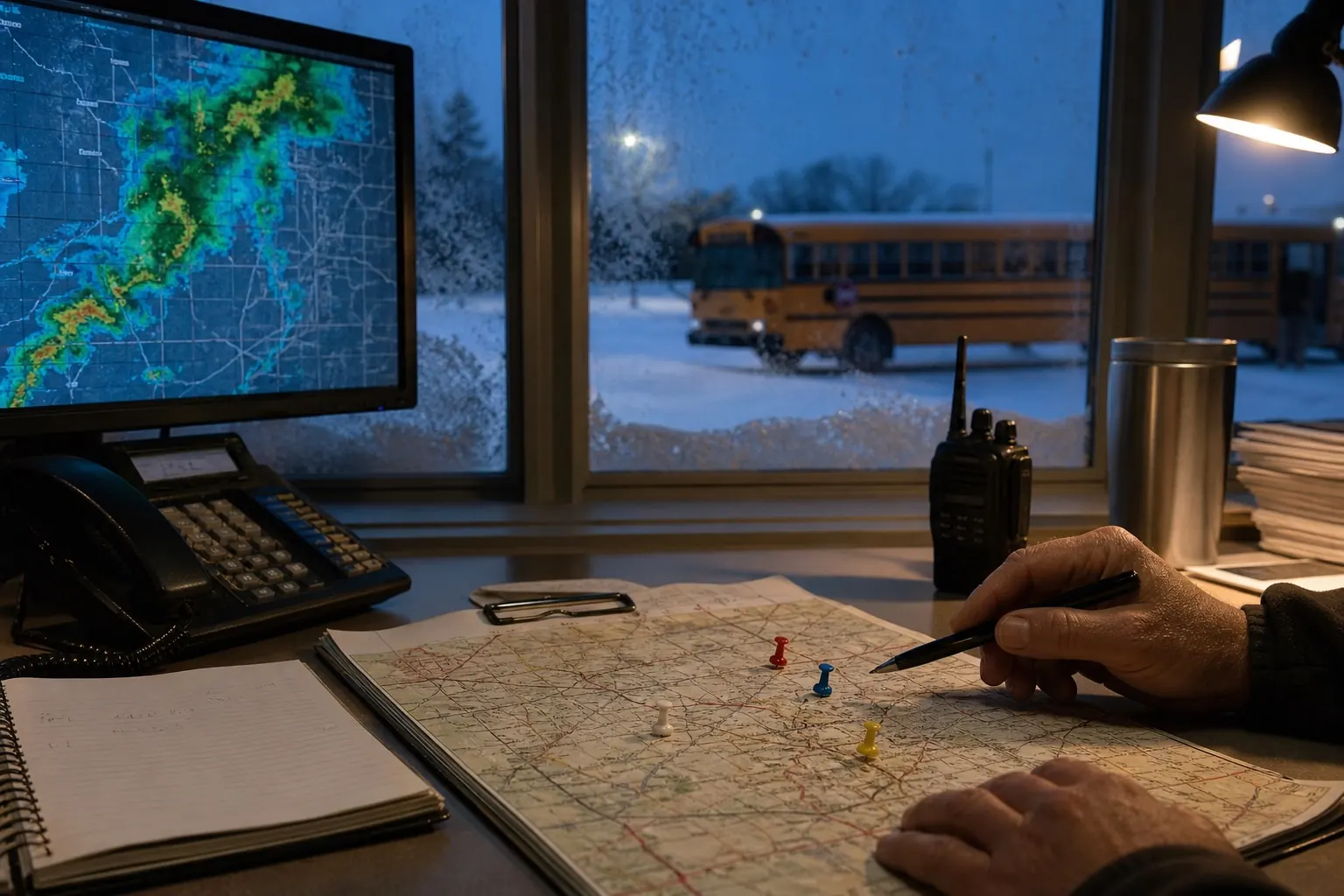
How Schools Decide Whether to Call a Snow Day
See how transportation, road conditions, forecast timing, buildings and district policy shape a school closure decision.
Read guideSnow day field guide
Clear, practical guidance for reading snow-day estimates, weather alerts and official school updates without false certainty.
Eight focused guides
New to the tool? Read how the calculator works, or jump directly to a topic below.
See how transportation, road conditions, forecast timing, buildings and district policy shape a school closure decision.
Read guide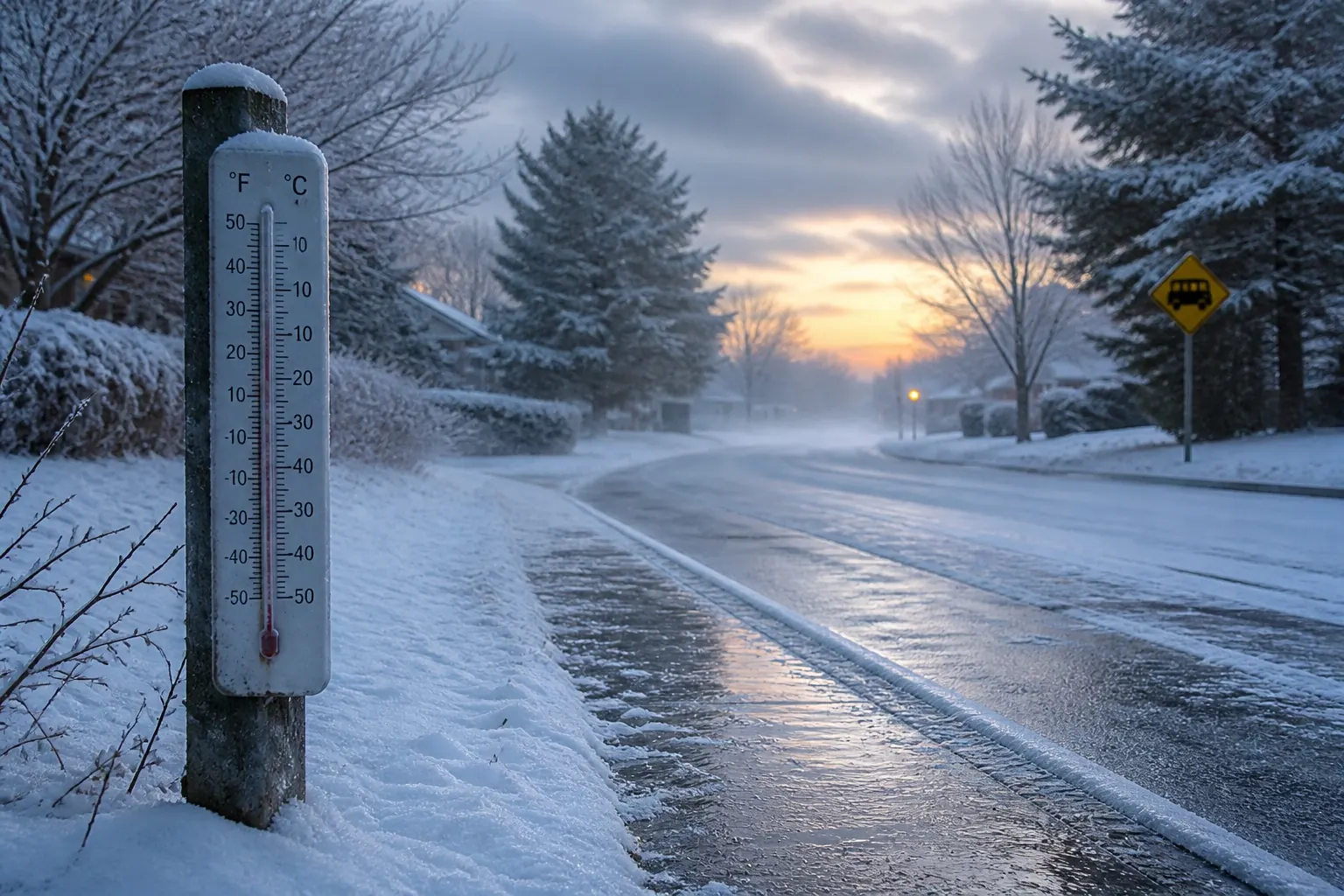
Understand why ice, overnight snowfall, wind chill, visibility and storm timing can matter more than a single snow total.
Read guide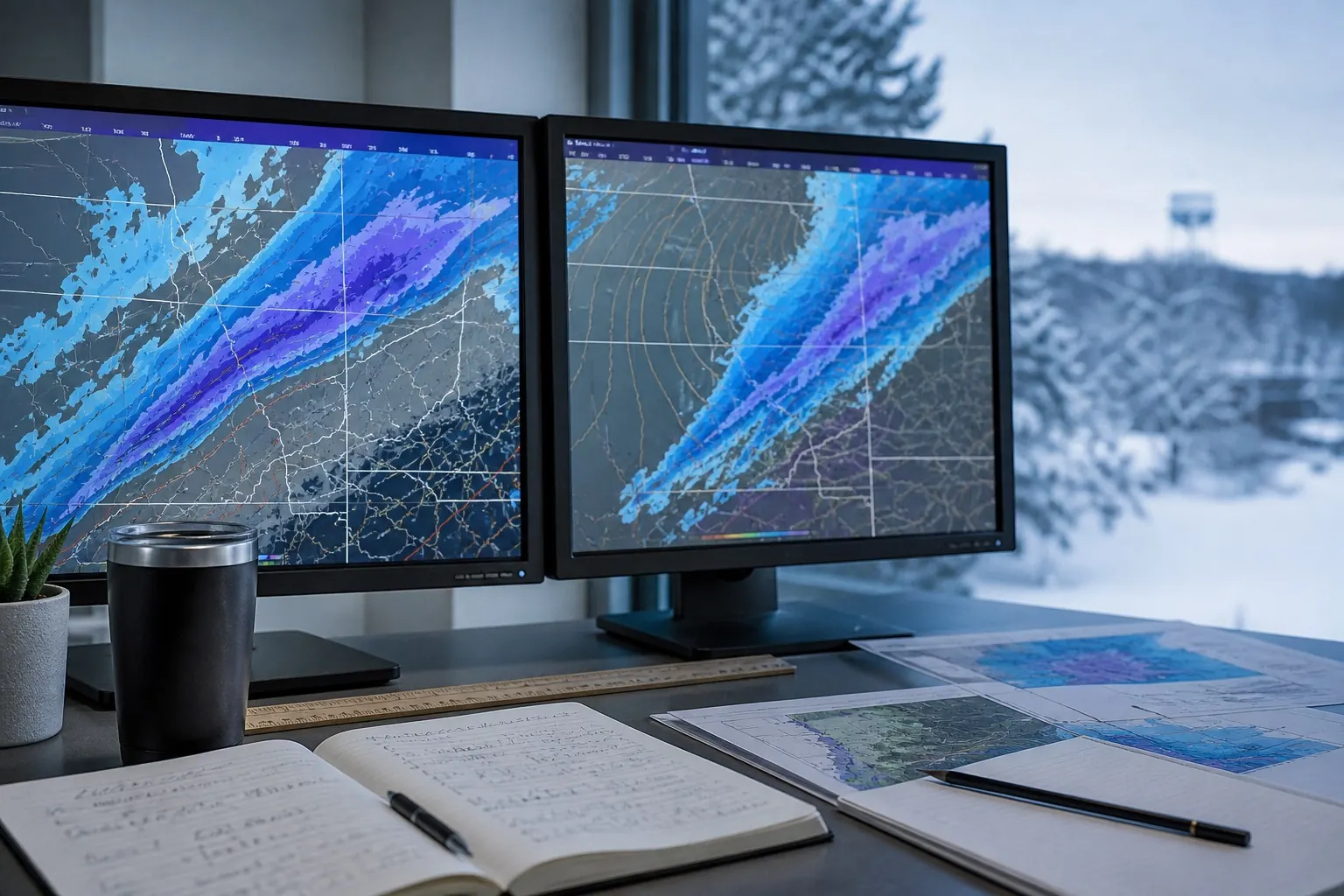
Learn what a probability estimate can and cannot tell you, why forecasts change and how to use a prediction responsibly.
Read guide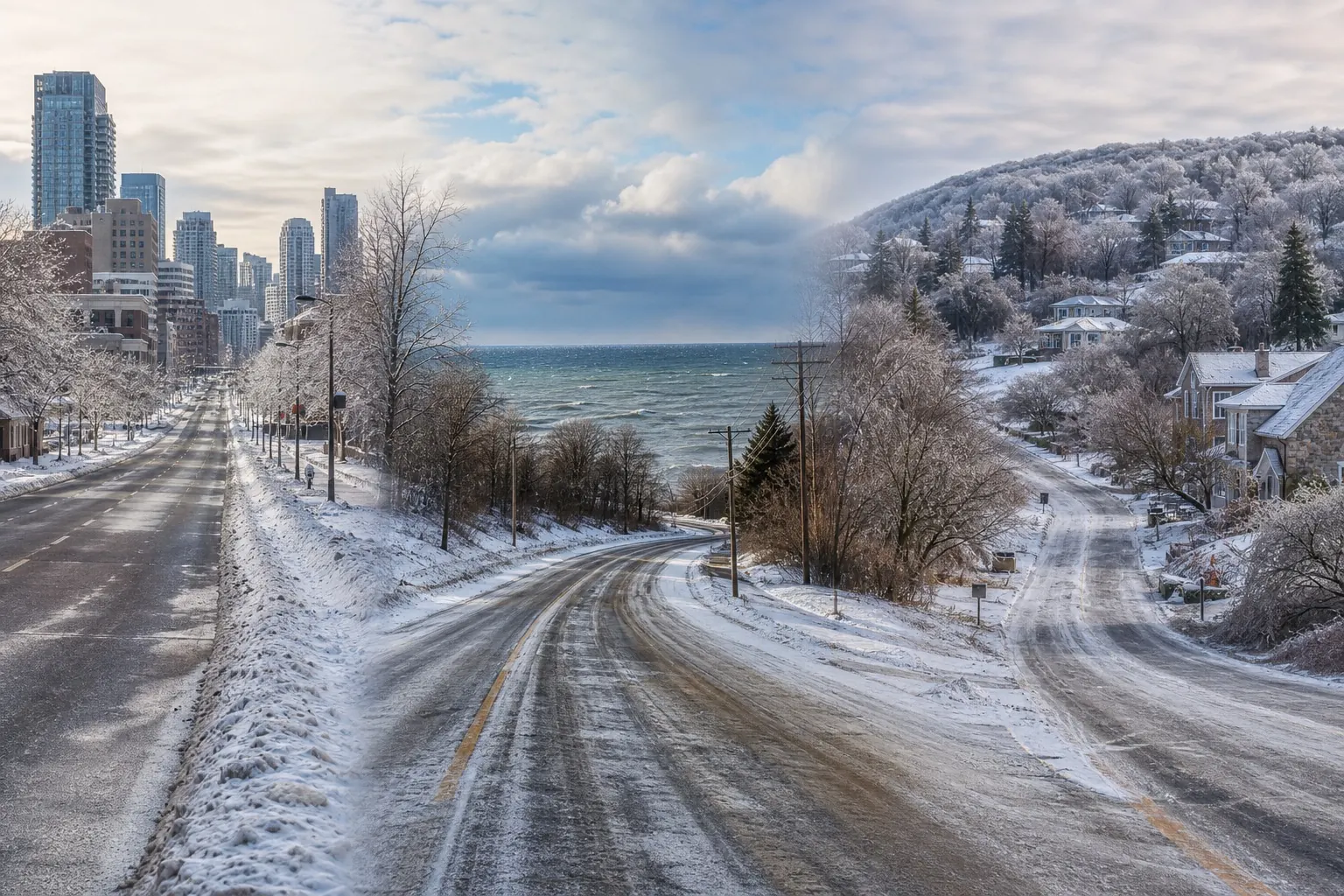
Compare how terrain, road treatment, bus routes and winter readiness change school closure thresholds from one region to another.
Read guide
Use a simple evening-and-morning check routine to get useful forecast context without treating an early estimate as final.
Read guide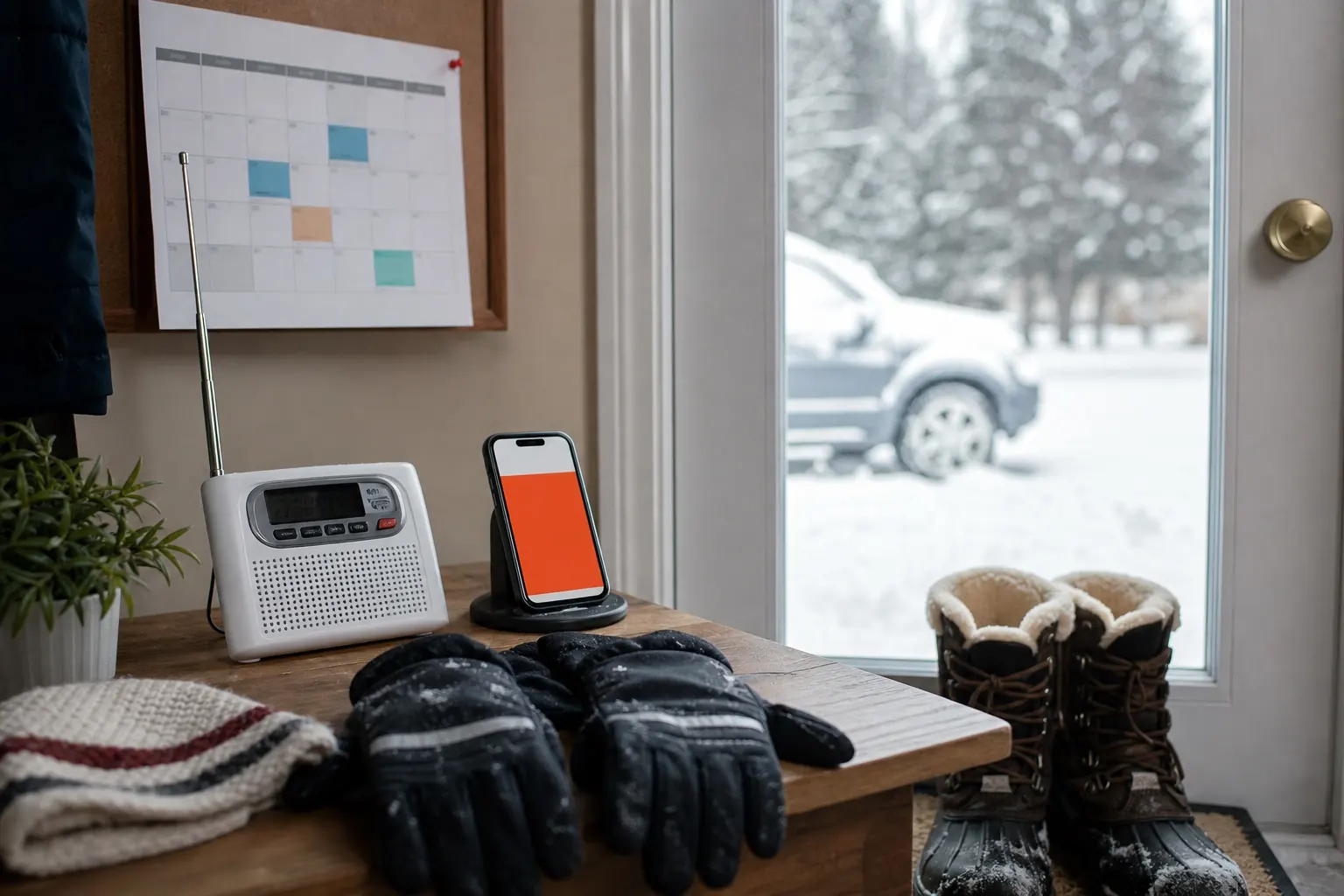
Learn the difference between forecast guidance, weather alerts and official district notices before a possible closure.
Read guide
A practical checklist for school updates, childcare, remote learning, winter travel and home readiness.
Read guide
See why a weather closure may become a remote instruction day and what families should verify in district policy.
Read guideEditorial standard: we separate forecast estimates from official closure announcements, link to primary weather sources and avoid unsupported accuracy percentages. Read how this site is maintained.