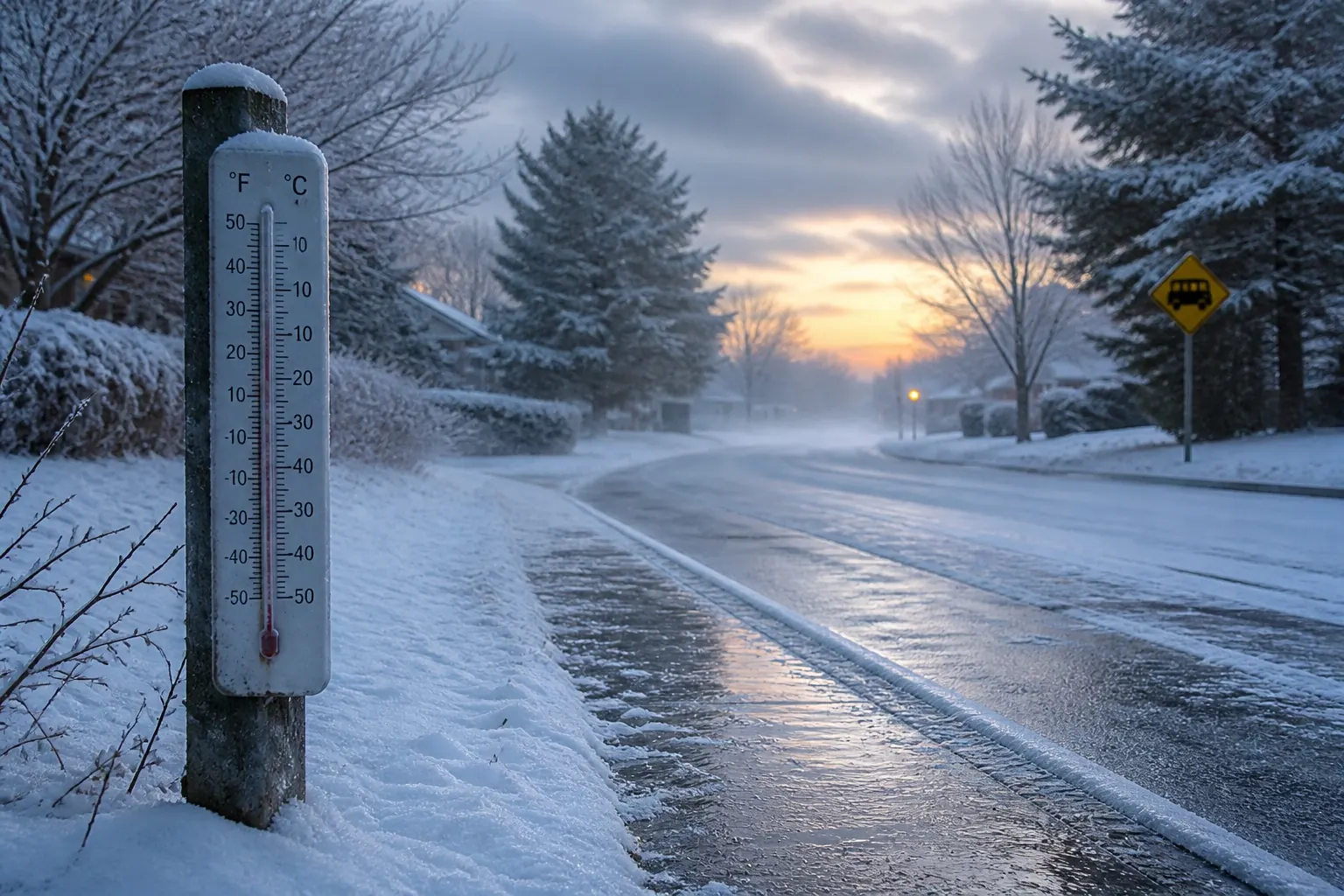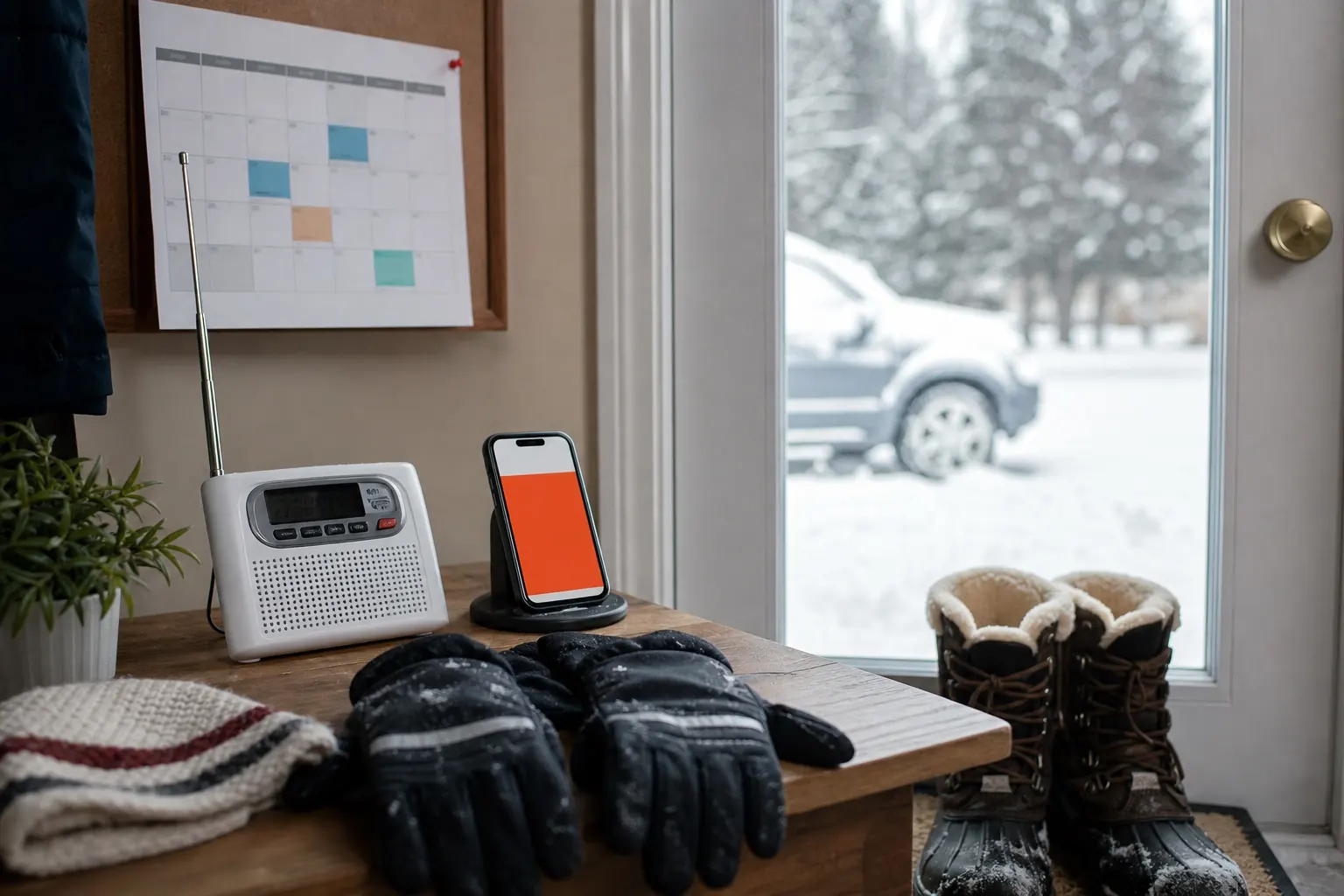
Weather alerts describe hazardous conditions; they do not automatically close a school. Families should read the alert, understand its timing and impact, then check the district's own announcement channel.
Watch, advisory and warning
The National Weather Service uses watches when significant winter weather is possible and people should prepare. Advisories describe expected winter conditions that may cause travel difficulty without meeting local warning criteria. Warnings indicate a more serious expected or occurring hazard. Exact thresholds can vary by local office.
The official NWS winter warning, watch and advisory guide is the best starting point in the United States. Canadian users should follow Environment Canada and their local school board.
Why an alert is not a closure notice
Alerts cover public weather risk across a geographic area. Districts must apply that information to bus routes, roads, building operations and schedule options. The process described in how schools decide on snow days can lead to different outcomes inside the same alert area.
Read the timing and hazard details
Check when the alert begins and ends, which locations are included, and whether the main concern is snow, ice, blowing snow or cold. Then compare it with the forecast factors that affect school travel. An alert starting after dismissal may matter less to the morning commute than one peaking before buses leave.
A reliable information order
- Official district message for the actual school status.
- National or local weather service for the hazard and safety guidance.
- Local transportation or road agency for current travel conditions.
- The calculator estimate for advance planning—not confirmation.
If an alert raises your planning concern, use the family preparation checklist and the two-check forecast routine. Do not wait for a calculator to tell you whether travel is safe during a warning; follow official safety advice.